
Faith-based coffee dates, with a calmer start
Still explaining your faith on the third date?
or download our app

How it works
Tell us your faith & values
Answer a few questions about what matters most.
No profile browsing. No swiping. We review your faith background and find one person genuinely worth meeting.
We arrange the coffee date
Your concierge picks the cafe, sets the time, and confirms with both of you.
Just show up
60 minutes. One person. Real conversation.
Faith first.
Not faith-last.
On other apps, "Christian" is a checkbox. Here, it's the entire experience.
We ask questions that actually matter to your community — not generic dating questions. Your match already shares your values before you share a table.
See how it works- Weekly worship ✓
- Small group member ✓
- Faith since birth ✓
- Active church role ✓
- Regular Bible reader –
"You share 4 of 5 values"
Straight to
a real coffee date
Every match is a date — not weeks of texting. 60 minutes at a vetted cafe near you. We pick the spot and set the time. You just show up, ready to have a real conversation.
See how it worksA real concierge
handles everything
Scheduling, cafe selection, confirmations — handled. Your concierge coordinates the entire date around your busy schedule so you never waste an evening on logistics. They check in before and after so you always feel supported.
Meet your conciergeHi both! I found a great cafe for you two. How does Saturday at 2pm work?
ConciergeWorks for me!
Saturday sounds perfect
SarahYou're all set! Saturday 2pm at Blue Bottle Coffee. Have a wonderful time!
ConciergeSave the spark
for the cafe
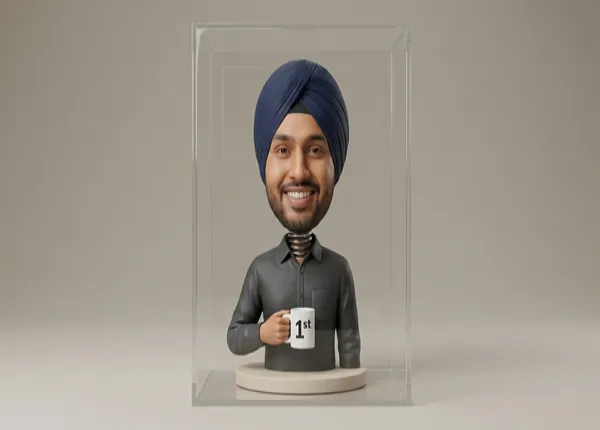
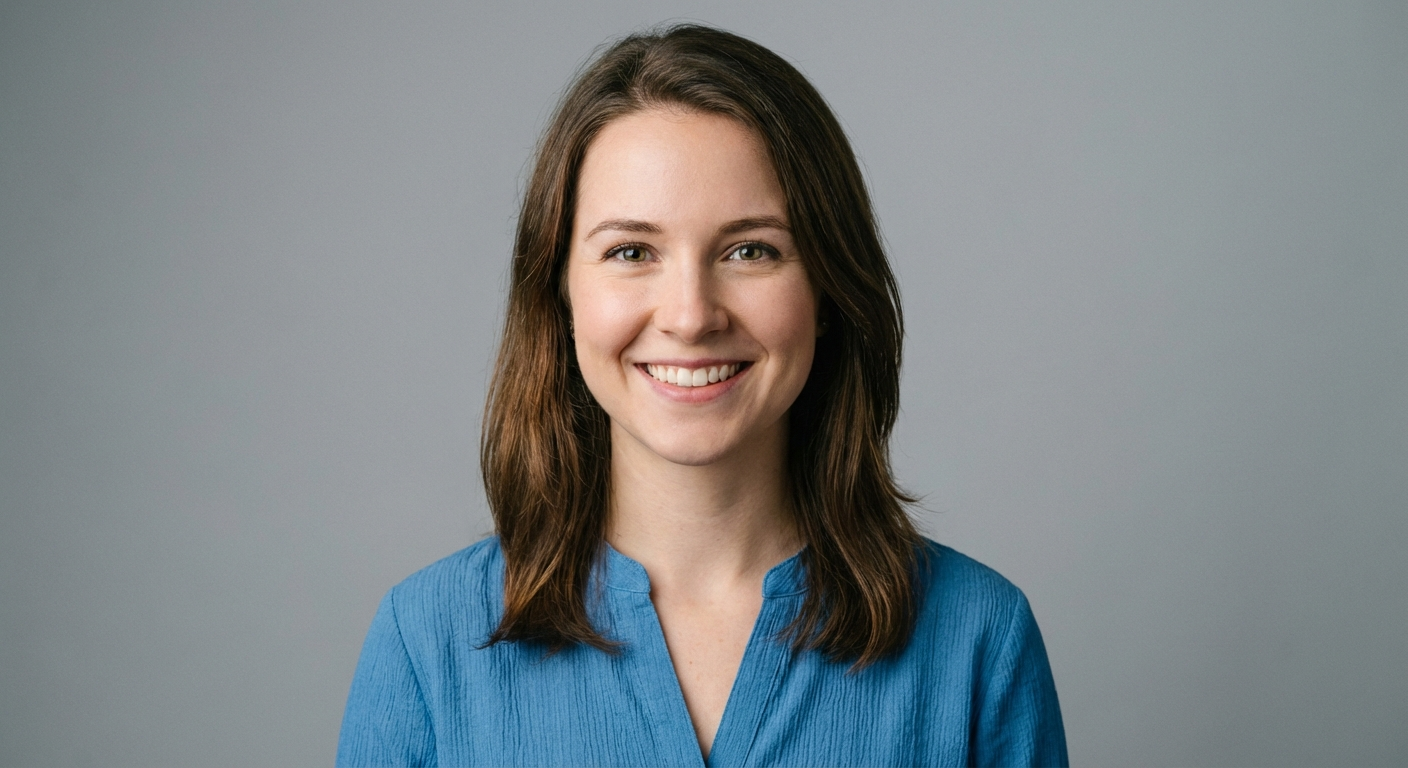
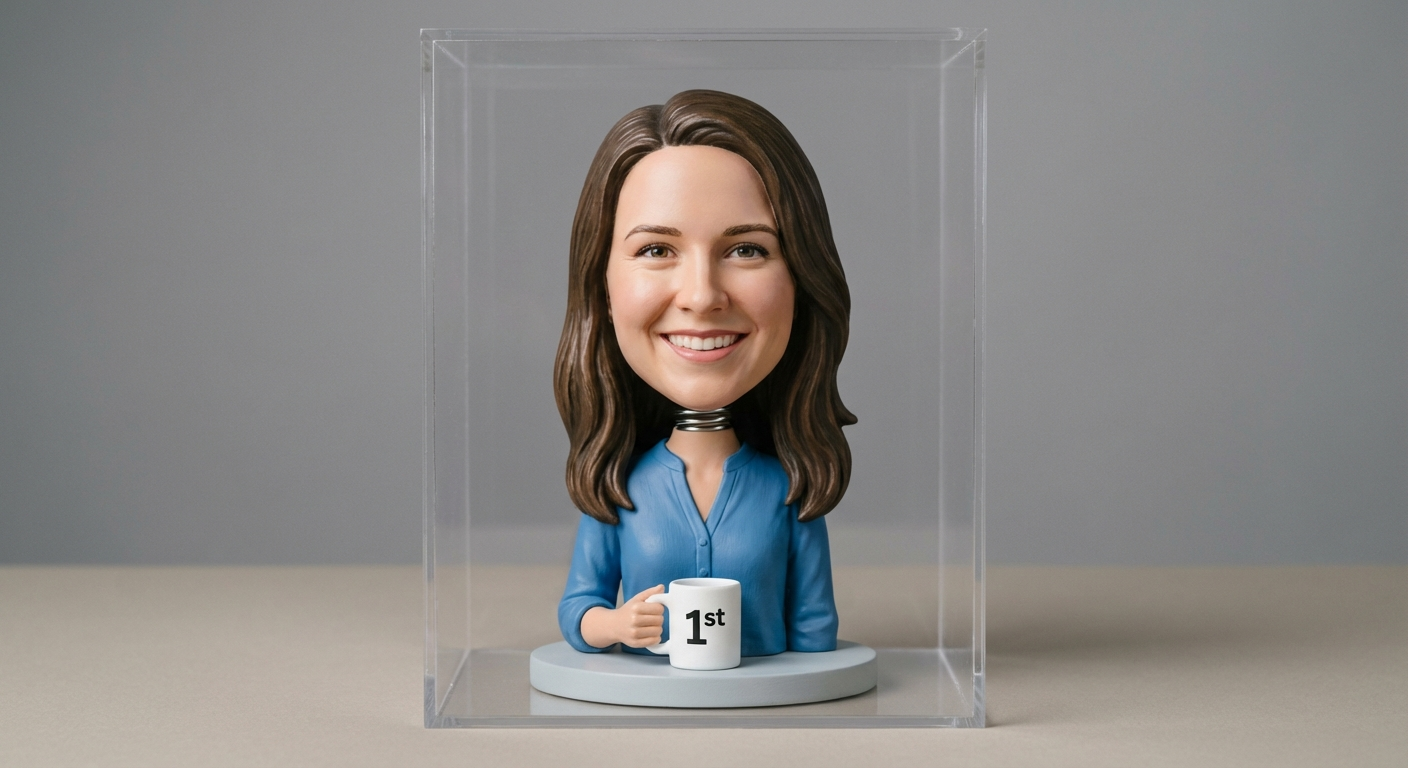
Upload a selfie and get an illustrated avatar in 20 seconds. You'll recognize each other — but the real connection happens across the table, not on a screen.
Try it free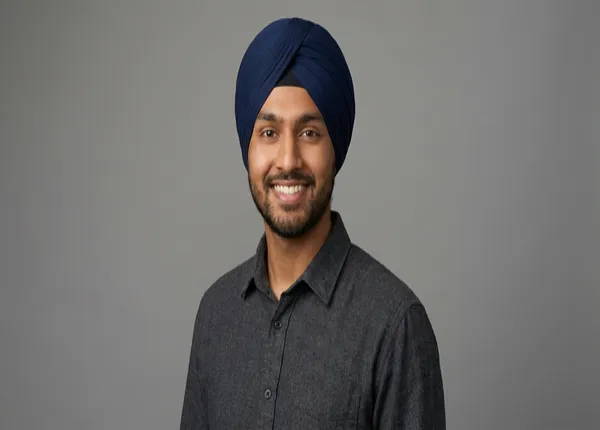
Tired of the same apps?
So were they.
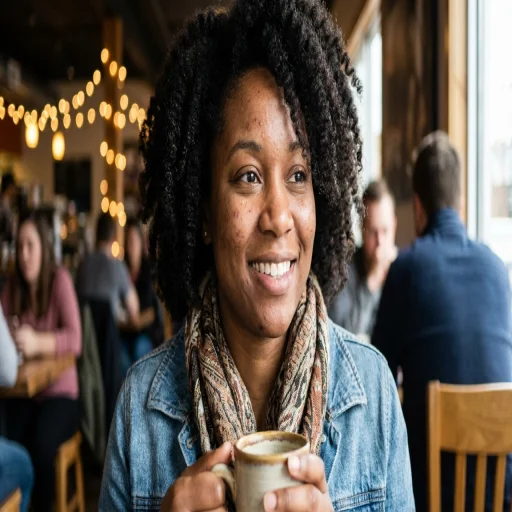
Grace, 33
Austin
"Three years on Hinge and every guy I matched with thought Sunday morning meant brunch. With FirstCoffee, my faith wasn't something I had to explain — it was already the starting point. We talked about everything that mattered before the lattes got cold."

Manpreet, 35
Vancouver
"My weekends used to feel like a second job — scrolling, screening, canceling. Here I showed up to one coffee and had a better conversation than anything I'd had on Hinge in two years. No games, no guessing. He was already there."

David, 31
Chicago
"I was tired of apps where faith was just another filter checkbox. Here it's the foundation. My concierge picked a great cafe, I showed up, and had the most honest conversation I've had in years. No small talk about TV shows — we talked about what actually matters."
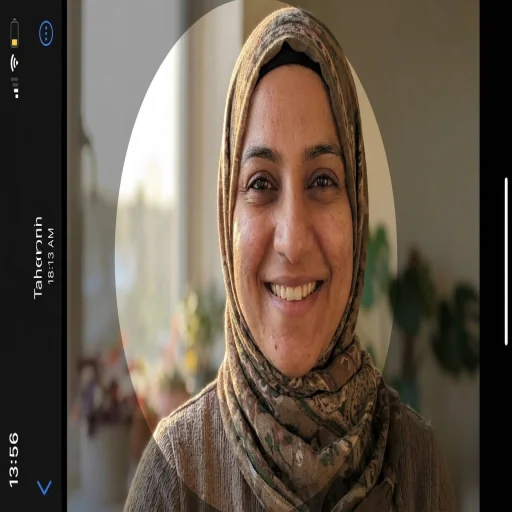
Amira, 34
Houston
"Finding someone who respects my values and my time felt impossible on mainstream apps. FirstCoffee handled everything — the cafe, the scheduling, even a check-in afterwards. I just showed up and had a real conversation with someone who already understood what matters most to me."
Find your community
By country
By faith & culture
Good to know
How does matching work?
We review your profile, faith background, preferences, and values to find someone genuinely compatible — not just geographically close. No algorithms guessing from swipes. Our team considers what actually matters so you don't waste a precious weekend evening on a bad fit.
Is it safe?
Yes. You'll see an illustrated avatar of your match, not their photo — so there's no pressure before you meet. All members are verified, and dates happen at vetted cafes in public spaces. You can also share your date details with a friend.
What if we don't click?
That's completely fine. Not every first date leads to a second, but most members say they still had a genuine conversation — which is rare. There's no obligation to exchange numbers. We'll find you another match that fits your limited time better.
How does pricing work?
$33 per date in the US — pay only when you're matched and ready to meet. No subscription, no monthly fees, no hidden charges. One match, one coffee, one flat price. You cover your own coffee at the cafe.
What cities are available?
We're in major cities across the US, Canada, and UK — New York, Toronto, Vancouver, San Francisco, Los Angeles, Houston, London, and more. Check our community pages for your city, or sign up and we'll reach out when we're near you.
What does the concierge do?
Your concierge is a real person who handles everything around your busy schedule — finding a time that works, selecting the cafe, confirming all the details, and checking in before and after. No logistics on your end. Think of them as your personal date coordinator who respects that your time is valuable.
Can I choose who I'm matched with?
You set your preferences — age range, faith tradition, values, deal-breakers — and we handle the rest. Faith alignment is central to every match, so you never have to explain what matters most to you on a first date.
$33 per date. No subscription.
Done filtering.
Ready to meet.
One match. Someone who already shares your faith. One real coffee date.
Find Your Match$33 per date. No subscription.